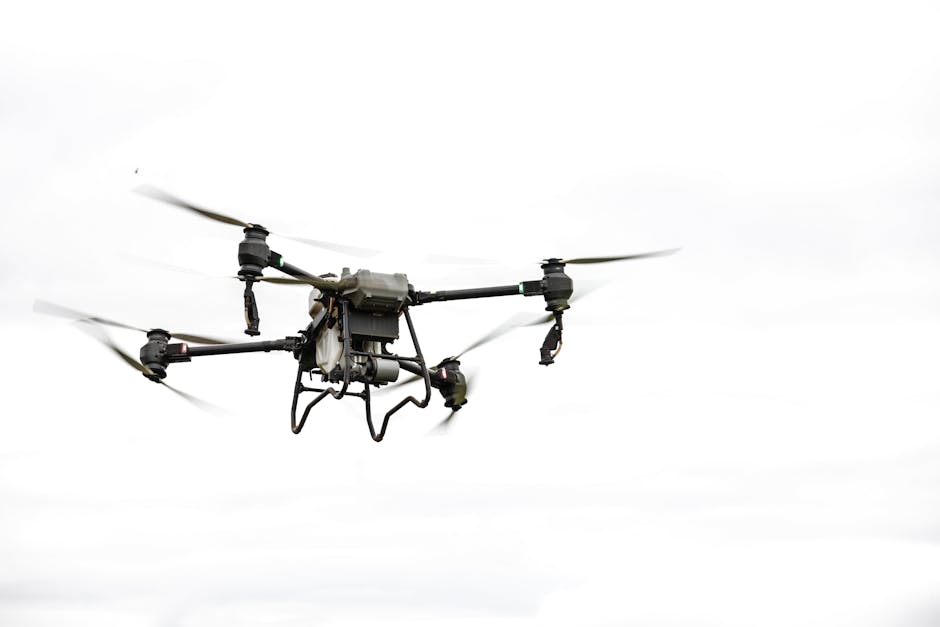
Commercial drones have revolutionized numerous industries, offering innovative solutions for surveillance, inspection, and security. One of the critical factors influencing the effectiveness of these unmanned aerial vehicles (UAVs) is their operational altitude. Understanding how high can a commercial drone fly is essential for businesses aiming to optimize their drone usage while complying with regulatory frameworks. Altitude limits impact not only the drone’s range and data collection capabilities but also its safety and legal operation within controlled airspace.
Regulatory Frameworks Governing Drone Altitude
Regulations by aviation authorities such as the Federal Aviation Administration (FAA) in the United States and the European Union Aviation Safety Agency (EASA) set clear altitude restrictions for commercial drones. Typically, these rules cap drone flights at 400 feet (approximately 120 meters) above ground level to minimize risks to manned aircraft. However, exceptions exist for specific operations conducted with proper authorization, such as beyond visual line of sight (BVLOS) missions or flights over controlled airspace.
- Standard altitude limit: 400 feet AGL for most commercial drone flights
- Exceptions: Special waivers allow higher altitudes for certain inspections or emergency responses
- Importance of compliance: Staying within legal limits avoids penalties and enhances operational safety
Technical Factors Influencing Altitude Capabilities
The maximum altitude a commercial drone can achieve depends on its design, propulsion system, and onboard sensors. Battery life plays a crucial role, as higher altitudes may require more power to overcome thinner air and maintain stable flight. Additionally, communication systems must support long-range data transmission, especially when operating near altitude limits. Advances in drone technology continue to push these boundaries, allowing for more efficient and higher-altitude flights, provided they remain within regulatory compliance.
Applications Requiring Elevated Drone Operations
Several commercial applications benefit from flying drones at higher altitudes. For example, drone utility inspection often requires covering expansive infrastructure such as power lines or pipelines, where altitude flexibility ensures comprehensive data capture without frequent repositioning. Similarly, surveillance drone operations can leverage elevated vantage points to monitor large areas effectively. In particular, choosing a top-rated security and surveillance drone can enhance performance by offering robust features optimized for higher altitude and longer duration flights.
- Drone inspection: Enables detailed assessment of infrastructure from safe distances
- Drone utility inspection: Facilitates monitoring of extensive utility networks with minimal disruption
- Drone security: Provides aerial oversight for critical assets and high-risk environments
Understanding UAV vs Drone in Altitude Context
While the terms UAV and drone are often used interchangeably, a subtle distinction exists that can impact altitude discussions. UAV generally refers to the entire unmanned aerial system, including ground control and communication links, whereas ‘drone’ typically denotes just the flying vehicle itself. This distinction matters because altitude limits and performance are influenced not only by the drone’s capabilities but also by the supporting systems that ensure safe and reliable operation at various heights.
Future Trends in Altitude Capabilities for Commercial Drones
As technology evolves, commercial drones are expected to achieve greater altitude ranges safely and efficiently. Innovations in battery technology, lightweight materials, and autonomous navigation systems will likely expand operational altitudes while maintaining compliance with airspace regulations. Furthermore, integration with air traffic management systems aims to facilitate safe coexistence between manned and unmanned aircraft, potentially allowing higher and more complex drone missions in the near future.
Expanding Horizons for Commercial Drone Operations
Exploring altitude limits is key to unlocking the full potential of commercial drones across diverse industries. By understanding the intersection of regulatory requirements, technological capabilities, and application needs, operators can maximize the benefits of their drone programs. Whether for sophisticated drone security applications or extensive utility inspections, staying informed about altitude considerations ensures that commercial drones continue to deliver value safely and effectively.